Wednesday, March 08, 2006
the gossip that is art history
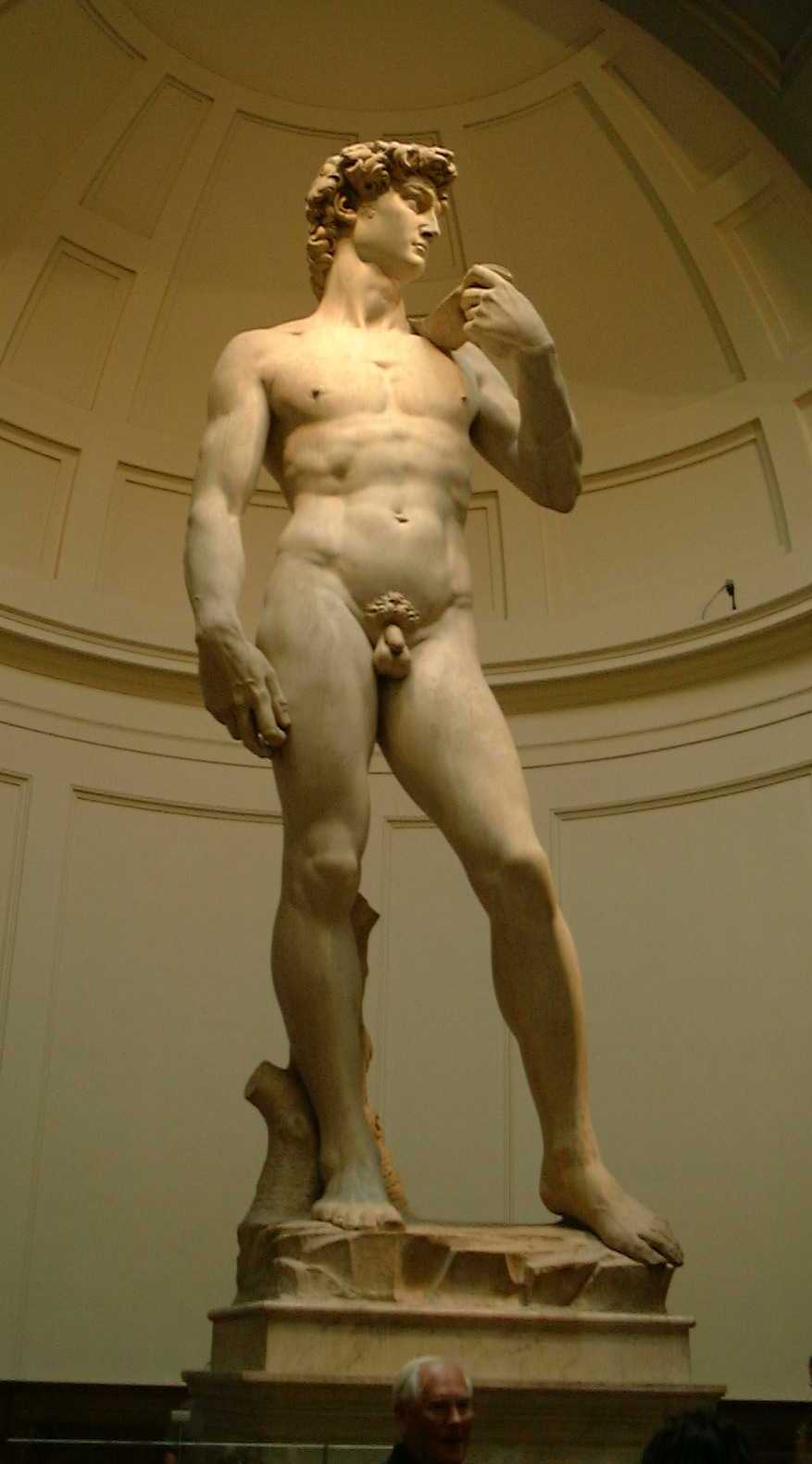
How does one attempt to tell people what good art is? It is usually what somebody likes and tells someone else they should like. Jansen had an interesting, pluralistic approach to art history, in that art was catagorized by medium rather than by chronology or ethnic identification. You saw Picasso's bicycle seat next to a primitive fertility idol next to David.
I've seen this in discount sections of the larger bookstores for some time. I was introduced to it by architectural designer Brian Murphy who I spoke with at his Santa Monica design office several years ago.
The new edition of the book sparks controversy, though I'm not sure how one asserts the deservability of one piece of art for inclusion over another:
I've seen this in discount sections of the larger bookstores for some time. I was introduced to it by architectural designer Brian Murphy who I spoke with at his Santa Monica design office several years ago.
The new edition of the book sparks controversy, though I'm not sure how one asserts the deservability of one piece of art for inclusion over another:
In some ways, art history is like an episode of "The Sopranos." A relatively small number of artists are welcomed into the family of the famous, their works immortalized in museums and on postcard racks — in other words, they are made. But hit men, otherwise known as critics and scholars, are lurking around every corner, waiting to whack even the most sterling reputation.
Almost no one is safe. Not even, as it turns out, Whistler's mother.
This month, the publisher Pearson Prentice Hall is introducing the first thoroughly revised version of "Janson's History of Art," a doorstopper first published in 1962 that has been a classroom hit ever since Horst Woldemar Janson wrote it while working at New York University . For a generation of baby boomers, it defined what was what and who was who in art, from Angelico (Fra) to Zurbarán (Francisco de).
But in recent years it has lost its perch as the best-selling art survey and has been criticized for becoming a scholarly chestnut. So its publisher recruited six scholars from around the country and told them to rewrite as much as they wanted, to cast a critical eye on every reproduction, chapter heading and sacred cow.